
On an irregular schedule, my reading of Stoic letters does not flinch. Letter XLI was yesterday’s reading but I gave it a second shot today. I felt I was rushing things just to keep up, but is there a need to keep up with an imaginary schedule?
This letter, when read for the first time, might sound quite exquisite to a modern reader because it deploys a very charged word, ‘God’ to explain Stoic ideas. Apart from the fact that the word god had different meanings in the letter’s own time, it might confuse the reader and derail their focus from the letter’s core message.
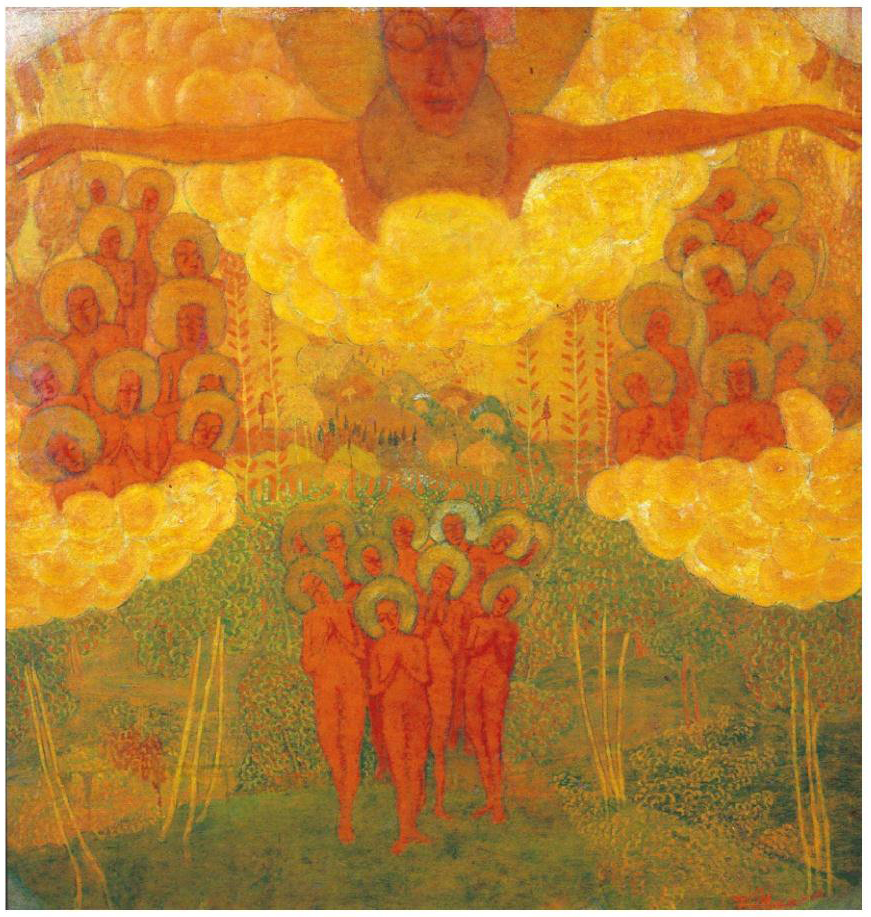
For Seneca, we are all born with the capacity to envision and live a life where all Stoic virtues are put into practice. To reach that point, he points out, we need to focus on what reason demands of us. When everything in outer nature takes its place as expected, we are struck with an awe of ‘divinity’, and when a virtuous person appears in our lives, we should not think that that person has come to possess these virtues ex nihilo, but rather worked their way toward these virtues through reason. Thus, Seneca maintains, in all of us lives a god.
If you aren’t familiar with Stoic thought, this might sound off-putting, but in simpler terms, Seneca summarizes that every human being is born equipped with faculties necessary to attain the virtues we all hold dear, and according to him, these faculties are ‘rays’ of a heavenly source.
Let me finish today’s reflection with this excerpt:
Tunc est consummatus homo, cum implevit quod natus est.
Seneca, Epistulae Morales 41.